Richard III (1483-1485)
King Richard III (King of England and Lord of Ireland) ruled between 26 June 1483 and 22 August 1485, they were turbulent years. Richard III was the last of the House of York, the last of the Plantagenets and his death at the Battle of Bosworth Field (aged 32) signified the end of the Middle Ages in England. He was the last English King to die in battle.
 £5.99£5.99£249.00£156.70
King Richard III (King of England and Lord of Ireland) ruled between 26 June 1483 and 22 August 1485, they were turbulent years. Richard III was the last of the House of York, the last of the Plantagenets and his death at the Battle of Bosworth Field (aged 32) signified the end of the Middle Ages in England. He was the last English King to die in battle.
Richard III is a famous protagonist in one of Shakespeare's tragedies. In 2012 a skeleton was found in Leicester and is thought to be the body of former King.
The coins of Richard III are rare. Gold coins (Angel, Half-angel) are extremely expensive (maybe £20,000+) and the silver coins (Groat, Halfgroat, Penny, Halfpenny and Farthing) are often also £1,000+. The coins carry mintmarks but the dies seem to have been casually chosen and many coins are mules, some overpunched.
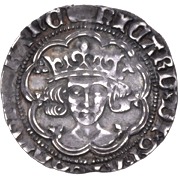 | 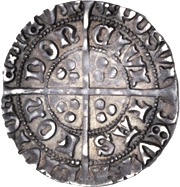 | 1483-1485 Groat - Richard III Mintage: Rare |
Click to Check these on eBay UK.
As an eBay Partner, We may be compensated if you make a purchase.
As an eBay Partner, We may be compensated if you make a purchase.


King Richard III (King of England and Lord of Ireland) ruled between 26 June 1483 and 22 August 1485, they were turbulent years. Richard III was the last of the House of York, the last of the Plantagenets and his death at the Battle of Bosworth Field (aged 32) signified the end of the Middle Ages in England. He was the last English King to die in battle.
Richard III is a famous protagonist in one of Shakespeare's tragedies. In 2012 a skeleton was found in Leicester and is thought to be the body of former King.
The coins of Richard III are rare. Gold coins (Angel, Half-angel) are extremely expensive (maybe £20,000+) and the silver coins (Groat, Halfgroat, Penny, Halfpenny and Farthing) are often also £1,000+. The coins carry mintmarks but the dies seem to have been casually chosen and many coins are mules, some overpunched.